
Types of restaurant merchandise to boost your brand
Choosing the right merchandise for your restaurant feels overwhelming when you face dozens of product options and limited budgets. Without clear selection criteria, you risk investing in items that sit unsold or fail to represent your brand effectively. This article provides a practical framework for evaluating merchandise types, from apparel to accessories, helping you make informed decisions that strengthen customer loyalty and expand your brand visibility beyond your dining room.
Table of Contents
- Key takeaways
- Establishing criteria for effective restaurant merchandise
- Popular types of restaurant merchandise and their benefits
- Comparing restaurant merchandise types: features and cost
- Deciding which restaurant merchandise to launch first
- Explore custom merchandise options with The Inner Sanctum Group
- Frequently asked questions about restaurant merchandise
Key Takeaways
| Point | Details |
|---|---|
| Brand fit criteria | Develop a scoring framework to rate items on brand alignment, customer appeal, cost and durability. |
| Practical utility matters | Evaluate whether customers would actually wear, carry or display the item and how it fits into daily routines. |
| Long term visibility | Choose merchandise that keeps your brand in customers’ minds after they leave the restaurant. |
| Popular merchandise types | Apparel and drinkware are among the most visible categories for reinforcing brand messages. |
| Production and cost feasibility | Calculate unit costs, minimum order quantities and markup potential before committing to any product line. |
Establishing criteria for effective restaurant merchandise
Before selecting specific products, you need a framework to evaluate which merchandise truly serves your restaurant’s goals. Using clear selection criteria helps restaurants create merchandise that reflects their brand and engages customers effectively. Your merchandise should function as a walking advertisement whilst providing genuine value to customers who purchase it.
Brand fit stands as your primary consideration. Every item you produce must align with your restaurant’s identity, values, and aesthetic. A fine dining establishment might choose elegant wine accessories, whilst a casual burger joint could embrace playful t-shirt designs. Your merchandise tells a story about who you are, so ensure that story matches the experience customers have at your tables.
Customer preferences and practical utility determine whether people actually buy and use your merchandise. Ask yourself whether your typical customer would genuinely wear, carry, or display the item. Products that integrate into daily routines, like reusable coffee cups or tote bags, generate repeated brand exposure. Survey your regulars or analyse which items similar restaurants sell successfully.
Production and cost feasibility directly impact your profit margins. Calculate unit costs, minimum order quantities, and markup potential before committing to any product line. Factor in design costs, storage requirements, and potential waste from unsold inventory. Some creative merch ideas require minimal upfront investment whilst others demand significant capital.
Consider these essential criteria:
- Does the merchandise authentically represent your restaurant’s personality and values?
- Will your target customers find the item useful, attractive, or collectible?
- Can you produce the item at a cost that allows reasonable profit margins?
- Does the product quality reflect the standards you maintain in your restaurant?
- Will the merchandise generate long-term brand visibility beyond initial purchase?
Pro Tip: Create a scoring system for potential merchandise, rating each item on brand fit, customer appeal, production cost, and durability. Products scoring highest across all categories deserve priority in your launch strategy.
Popular types of restaurant merchandise and their benefits
Restaurant merchandise spans numerous product categories, each offering distinct advantages for brand building and customer engagement. Understanding these options helps you identify which types best suit your establishment’s style and customer base.
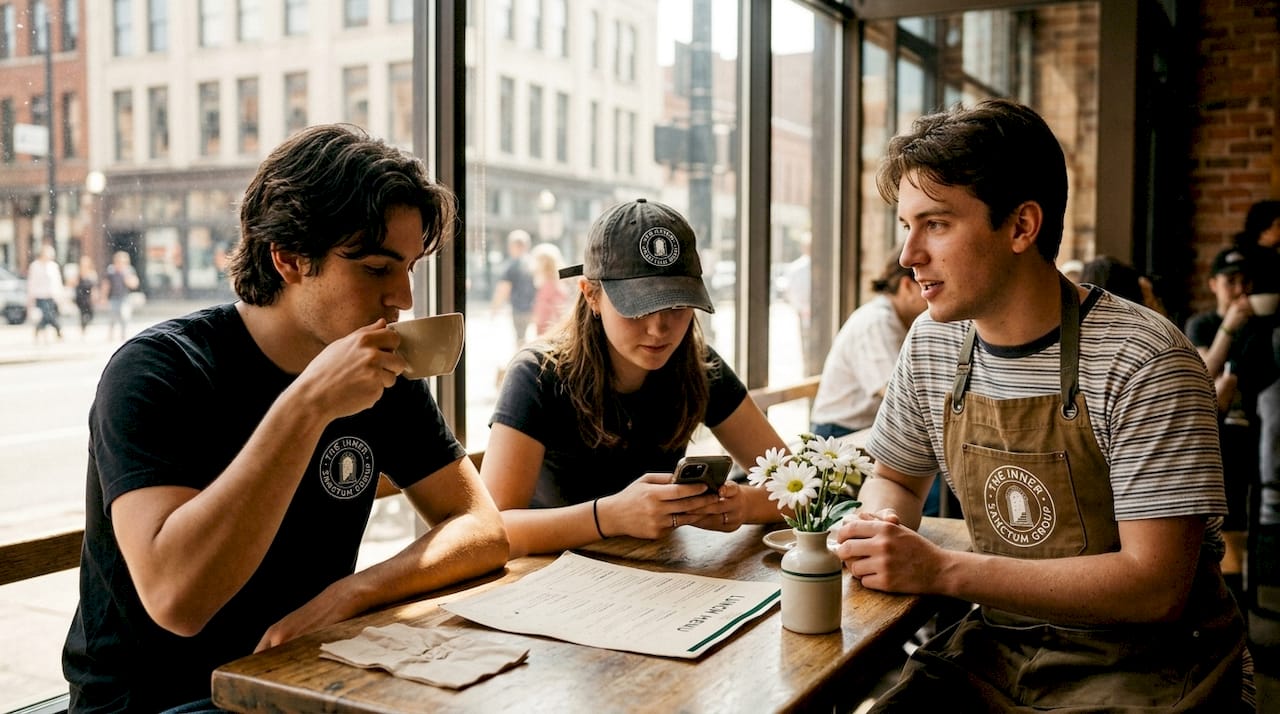
Apparel remains the most visible merchandise category. T-shirts, hats, and aprons with logos or creative designs turn customers into brand ambassadors. Quality matters enormously here because people wear these items repeatedly in public spaces. A well-designed shirt featuring your restaurant’s signature dish or witty slogan creates conversation starters and free advertising. Hoodies work particularly well for restaurants with strong local followings or cult status menu items.
Drinkware provides exceptional value through repeated daily use. Branded mugs, pint glasses, water bottles, and travel cups keep your restaurant top of mind during morning coffee or gym sessions. These items work especially well for establishments known for specific beverages, whether craft cocktails, speciality coffee, or local beers. Customers appreciate practical items they’ll actually use, and drinkware typically offers excellent profit margins relative to production costs.
Accessories deliver versatility and affordability. Tote bags, pins, stickers, keyrings, and magnets require lower initial investment whilst appealing to budget-conscious customers. Tote bags particularly shine as eco-friendly alternatives to plastic bags, aligning with sustainability values many restaurants promote. Enamel pins and stickers attract collectors and younger demographics who enjoy personalising their belongings.
Packaging innovations transform functional items into brand experiences. Custom takeaway containers, reusable food wraps, and branded shopping bags extend your identity beyond the dining experience. Restaurants emphasising environmental responsibility can leverage compostable or reusable packaging as merchandise that serves dual purposes. These items demonstrate commitment to sustainability whilst keeping your brand visible in customers’ homes.
Specialty merchandise creates premium offerings for devoted fans:
- Recipe books or cooking guides featuring signature dishes
- Limited-edition seasonal items tied to special menus or events
- Branded condiments, sauces, or spice blends customers can recreate at home
- Artwork or photography prints showcasing your restaurant’s aesthetic
- Gift cards presented in creative packaging that doubles as keepsakes
These premium items command higher prices whilst strengthening emotional connections with your most loyal customers. They work particularly well for restaurants with unique culinary perspectives or strong chef personalities.
Comparing restaurant merchandise types: features and cost
Understanding the practical differences between merchandise categories helps you allocate resources effectively and set realistic expectations for returns. Each product type carries distinct advantages and limitations that influence your overall merchandising strategy.
Cost structures vary dramatically across categories. Apparel typically requires higher per-unit investment, with quality t-shirts costing £8-15 wholesale before adding design and markup. Accessories like stickers or pins might cost under £1 per unit, allowing lower retail prices that encourage impulse purchases. Drinkware falls somewhere between, with ceramic mugs around £3-6 wholesale and premium water bottles reaching £10-12.
Durability directly impacts long-term brand exposure and customer satisfaction. High-quality apparel withstands dozens of washes whilst maintaining print integrity, providing years of visibility. Cheap alternatives fade quickly, potentially damaging your brand reputation. Drinkware made from durable materials like stainless steel or quality ceramic lasts indefinitely with proper care. Accessories vary widely, with enamel pins lasting forever whilst paper stickers deteriorate quickly.
Understanding the comparative advantages of merchandise types helps in optimising inventory and marketing strategies. This comparison table summarises key factors:
| Merchandise type | Typical cost per unit | Durability | Brand visibility | Customer appeal | Profit margin potential |
|---|---|---|---|---|---|
| T-shirts/Apparel | £8-15 | High (years) | Excellent | Strong for fans | Medium to high |
| Drinkware | £3-12 | Very high | Excellent | Broad appeal | Medium |
| Tote bags | £2-6 | Medium to high | Excellent | Very strong | High |
| Pins/Stickers | £0.50-2 | Variable | Moderate | Youth appeal | Very high |
| Speciality items | £5-20+ | Variable | Moderate | Niche/loyal fans | High |
Customer appeal depends heavily on how well merchandise matches your restaurant’s identity and customer demographics. Trendy casual eateries find success with streetwear-inspired apparel, whilst upscale establishments might focus on elegant drinkware or gourmet food products. Consider your customers’ lifestyles and preferences when selecting product mixes.
Inventory management presents different challenges across categories. Apparel requires stocking multiple sizes, increasing complexity and potential for unsold stock in unpopular sizes. Accessories and drinkware typically come in standard sizes, simplifying inventory. Some platforms offer print-on-demand services that eliminate inventory risk entirely, though per-unit costs increase.
Pro Tip: Start with products offering the best balance of customer appeal and manageable inventory. Tote bags and drinkware typically hit this sweet spot, providing broad appeal without size complications whilst maintaining healthy profit margins.
Deciding which restaurant merchandise to launch first
Launching your merchandise line strategically maximises success whilst minimising risk. Rather than overwhelming yourself with numerous product types simultaneously, focus on a targeted approach that builds momentum and gathers valuable customer feedback.
Starting small with best-selling merchandise types and expanding based on customer feedback is a proven growth strategy. Follow these steps to make informed decisions:
-
Assess your restaurant’s typical customer demographics and preferences thoroughly. Survey regular customers about which merchandise types they’d actually purchase. Analyse social media engagement to identify which aspects of your brand resonate most strongly. Consider age ranges, income levels, and lifestyle factors that influence purchasing decisions.
-
Evaluate your initial budget and resource availability realistically. Calculate how much capital you can allocate to merchandise without straining operations. Factor in design costs, minimum order quantities, storage space, and point-of-sale display requirements. Remember that successful merchandise programmes often start modestly and scale gradually.
-
Choose one or two merchandise types that best align with your brand and demonstrate strong customer interest. If your restaurant has a signature cocktail, branded glassware makes perfect sense. If customers frequently photograph your dishes for social media, apparel featuring your visual identity capitalises on that enthusiasm. Match products to your unique strengths.
-
Plan a marketing launch that includes in-venue promotion and online sales channels. Create attractive displays near your entrance or payment area where customers naturally pause. Train staff to mention merchandise when appropriate, perhaps offering discounts with meal purchases. Establish an online store or dedicate a section of your website to merchandise sales, capturing customers who want to purchase after leaving.
-
Gather customer feedback and sales data systematically to inform expansion decisions. Track which items sell quickly versus sitting in inventory. Ask customers why they chose specific products or passed on others. Use this intelligence to refine your product mix, adjust pricing, or introduce new items that address unmet demand.
Timing your launch around special events or seasonal peaks can accelerate initial sales. Holiday periods, anniversary celebrations, or menu launches provide natural promotional opportunities. Limited-edition items tied to these occasions create urgency whilst testing customer appetite for merchandise generally.
Consider partnering with platforms that handle production and fulfilment, especially when starting out. This approach reduces upfront investment and inventory risk whilst letting you focus on design and marketing. As sales grow and patterns emerge, you can transition to bulk ordering for better margins on proven sellers.
Explore custom merchandise options with The Inner Sanctum Group
Transforming your restaurant’s brand into tangible merchandise becomes straightforward when you work with experienced production partners. The Inner Sanctum Group offers comprehensive solutions for creating customisable t-shirts, tote bags, and other high-quality merchandise that elevates your brand visibility.
Their platform simplifies the entire process, from design upload through production and fulfilment. You can start selling merchandise without purchasing stock upfront, eliminating the financial risk that deters many restaurant owners from launching product lines. The Inner Sanctum Group handles printing, packaging, and shipping, letting you focus on running your restaurant whilst building an additional revenue stream.
Whether you need small batches for testing customer interest or larger quantities for established product lines, their flexible ordering accommodates restaurants at every stage. Quality materials ensure your merchandise reflects the standards you maintain in your dining experience. Visit The Inner Sanctum Group to explore customisation options and discover how effortlessly you can expand your brand beyond your restaurant’s walls.
Frequently asked questions about restaurant merchandise
What is the most popular type of restaurant merchandise?
T-shirts and tote bags consistently rank as top sellers across restaurant types due to their practicality and visibility. These items provide excellent brand exposure whilst offering genuine utility that customers appreciate in daily life.
How can I promote my restaurant merchandise effectively?
Display merchandise prominently near your entrance and payment areas where customers naturally pause. Train staff to mention items conversationally, and feature products on social media showing real customers using them. Consider offering bundle deals pairing merchandise with meals to encourage initial purchases.
Are there eco-friendly merchandise options?
Absolutely. Organic cotton apparel, recycled polyester tote bags, bamboo drinkware, and compostable packaging all provide sustainable alternatives. These options appeal strongly to environmentally conscious customers whilst reinforcing your restaurant’s values.
How do I price my merchandise for profit?
Calculate your total cost including production, design, and overhead, then apply a markup of 2.5 to 3 times for retail pricing. Research what similar restaurants charge to ensure competitiveness. Premium items can command higher margins if quality and uniqueness justify the price.
Can merchandise boost customer loyalty?
Definitely. Merchandise creates tangible connections between customers and your brand, transforming casual diners into brand ambassadors. When customers wear or use your products, they signal affiliation and often become more frequent visitors. Exclusive items for regulars strengthen this loyalty further.
Recommended
- Boost your personal brand with creative merch ideas in 2026 – The Inner Sanctum Group
- How merch supports team branding for indie musicians – The Inner Sanctum Group
- How merch supports independent artists’ brand and revenue – The Inner Sanctum Group
- Fitness merch design guide 2026: create custom gear – The Inner Sanctum Group
- 7 Creative Slogan T-Shirt Ideas to Boost Your Style – ChillStitchApparel