
How merch supports team branding for indie musicians
Merchandise is often viewed purely as an income stream, but this perspective misses its true power. For independent musicians, merch acts as a tangible extension of your artistic identity, transforming fans into walking billboards whilst deepening emotional connections. Strategic merchandise reinforces your visual aesthetic, communicates your values, and creates communities around your music. This guide explores how to align merch with your brand, choose cost-effective production methods, maximise profit margins, and leverage merch to accelerate your music career through authentic fan engagement.
Table of Contents
- Why Merchandise Is Crucial For Your Brand Identity
- Choosing The Right Merch Production Methods For Independent Musicians
- Maximising Profit And Managing Costs In Your Merch Business
- Leveraging Merch To Engage Fans And Boost Your Music Career
- Discover Custom Merch Solutions Tailored For Musicians
Key takeaways
| Point | Details |
|---|---|
| Merch extends brand identity | Merchandise creates physical touchpoints that reflect your artistic vision and values beyond streaming platforms. |
| Production method matters | Direct-to-film transfers and print-on-demand services reduce risk for small batch runs compared to traditional screen printing. |
| Profit requires careful planning | T-shirts can yield 70-80% margins, but hidden costs like shipping and venue fees must be tracked meticulously. |
| Fan engagement drives success | Limited editions and tour-specific drops transform passive listeners into active brand ambassadors. |
Why merchandise is crucial for your brand identity
Merchandise provides a physical canvas for your artistic vision. Whilst streaming platforms deliver your sound, merch extends your brand identity by reinforcing the aesthetic and values that define your project. Every t-shirt, hoodie, or tote bag becomes a visual statement that fans can wear, display, and share. This tangible connection transforms casual listeners into committed supporters who actively participate in spreading your message.
Consistency across all visual touchpoints amplifies impact dramatically. When your merch designs align seamlessly with album artwork, social media graphics, and stage visuals, you create a cohesive brand experience that feels intentional and professional. Random designs disconnected from your core aesthetic dilute recognition and confuse potential fans. Think of merch as an extension of your creative universe, not an afterthought.
Fans wearing your merch become organic marketing channels. Each person sporting your logo or artwork at festivals, gigs, or coffee shops generates impressions that no advertising budget could match. This visibility builds credibility because recommendations from real people carry more weight than paid promotions. Your supporters essentially volunteer as brand ambassadors, multiplying your reach without additional cost.
Merchandise deepens fan engagement by creating tangible connections that streaming cannot replicate. Owning a physical item from an artist they love gives fans a sense of belonging and investment in your journey. This emotional bond translates into loyalty that sustains careers through algorithm changes and platform shifts.
Effective merch items for musicians include:
- T-shirts featuring album artwork or lyric snippets
- Hoodies with distinctive logos or visual motifs
- Tote bags showcasing minimalist designs
- Accessories like enamel pins or patches that fans can customise
- Vinyl records or cassettes for collectors seeking physical formats
Pro Tip: Start with designs that work across multiple contexts, from intimate venues to outdoor festivals, ensuring your brand remains visible wherever fans gather.
“Your merch tells a story about who you are as an artist. When fans wear your designs, they’re not just supporting you financially, they’re publicly aligning themselves with your creative vision and values.”
Selecting items that genuinely reflect your artistic identity ensures authenticity. Fans recognise when merch feels forced or generic versus when it emerges naturally from your creative process. Invest time in setting up your merch store with products that you would proudly wear yourself, and your audience will respond with enthusiasm.
Choosing the right merch production methods for independent musicians
Selecting appropriate production techniques directly impacts your budget, timeline, and creative flexibility. Traditional screen printing works brilliantly for large volume runs, typically 200+ units, because setup costs spread across many items. However, production methods must match scale to avoid wasting resources on unsold inventory.
Direct-to-film (DTF) transfers shine for smaller batches between 25 and 100 units. DTF offers faster turnaround and lower upfront costs compared to screen printing, making it perfect for testing new designs or serving niche audiences. You can experiment with multiple concepts without committing to massive production runs, reducing financial risk whilst maintaining quality.
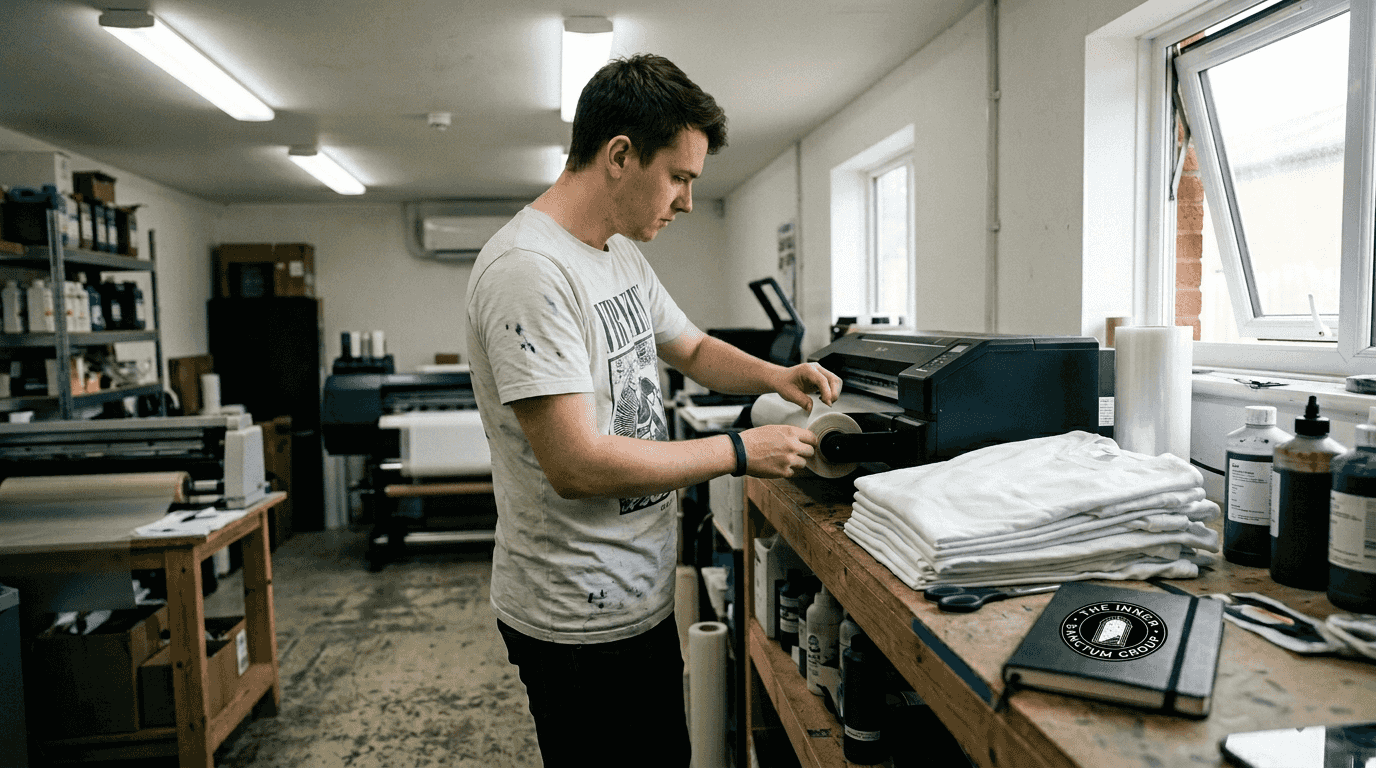
Print-on-demand services eliminate inventory risk entirely by producing items only after customers order. This model suits musicians just starting their merch journey or those with unpredictable demand patterns. Whilst per-unit costs run higher than bulk production, you avoid storage fees, unsold stock, and upfront capital requirements.
| Method | Cost per unit | Turnaround time | Minimum order | Best use case | | — | — | — | — | | Screen printing | Low (bulk) | 2-3 weeks | 200+ units | Established demand, tour stock | | DTF transfers | Medium | 3-7 days | 25-100 units | Testing designs, limited editions | | Print-on-demand | High | 1-5 days | 1 unit | New artists, unpredictable demand |
Each method offers distinct advantages depending on your current career stage and sales patterns. Screen printing delivers the lowest per-unit cost but requires confidence in volume. DTF balances quality with flexibility, allowing rapid iteration based on fan feedback. Print-on-demand prioritises convenience and risk mitigation over margin optimisation.
Consider these factors when choosing production methods:
- Current fanbase size and purchasing patterns
- Available capital for upfront investment
- Storage capacity for inventory
- Design complexity and colour requirements
- Timeline constraints for upcoming tours or releases
Pro Tip: Start with print-on-demand or small DTF runs to validate designs and gauge demand before committing to larger screen printing orders, protecting your budget whilst building confidence in what sells.
Understanding how to sell merch effectively requires matching production capabilities to your distribution channels. Online stores benefit from print-on-demand’s flexibility, whilst tour merchandise often justifies bulk screen printing due to concentrated demand. Mixing methods strategically allows you to serve different contexts without overextending resources.
Maximising profit and managing costs in your merch business
Profitability hinges on understanding true costs beyond just production. Merch offers substantial margins compared to streaming, with t-shirts yielding 70-80% profit and hoodies reaching 50-70%. However, these figures only materialise when you account for every expense accurately and price strategically.
Hidden costs significantly impact profits, including designer fees for artwork preparation, venue cuts at live shows, payment processing fees, shipping materials, and platform commissions. Failing to track these expenses leads to pricing that looks profitable on paper but loses money in reality. Meticulous record keeping separates successful merch operations from financial disappointments.
Calculating your break-even point prevents costly mistakes:
- Add all fixed costs like design fees and setup charges
- Calculate variable costs per unit including production, shipping, and fees
- Determine your retail price based on market research and perceived value
- Divide total fixed costs by the difference between retail price and variable cost per unit
- The result shows how many units you must sell before generating profit
This formula reveals whether your pricing strategy makes financial sense before you commit resources. Selling below break-even volume means losing money regardless of how many items move. Understanding this threshold allows you to set realistic sales targets and adjust pricing or production methods accordingly.
| Item | Production cost | Retail price | Fixed costs | Break-even units | Margin after break-even | | — | — | — | — | — | | T-shirt | £6 | £20 | £150 | 11 | 70% | | Hoodie | £15 | £40 | £200 | 8 | 62% | | Tote bag | £4 | £12 | £100 | 13 | 67% |
This example demonstrates how different products require varying sales volumes to become profitable. Hoodies need fewer sales to cover fixed costs due to higher margins per unit, whilst tote bags require more volume but offer respectable returns. Diversifying your product range spreads risk and appeals to different budget levels within your fanbase.
Pro Tip: Track every expense in a spreadsheet from day one, categorising costs as fixed or variable, to identify exactly where money goes and make informed pricing decisions that protect your margins.
Pricing merch requires balancing profitability with perceived value. Charge too little and you leave money on the table whilst potentially signalling low quality. Price too high and you alienate fans who want to support you but face budget constraints. Research what similar artists charge, consider your brand positioning, and test different price points to find the sweet spot.
Effective merch store setup includes transparent pricing that builds trust. Fans appreciate knowing their purchase directly supports your music career. Communicating value through quality materials, thoughtful designs, and reliable fulfilment justifies premium pricing whilst strengthening relationships.
Leveraging merch to engage fans and boost your music career
Merchandise transforms passive listeners into active participants in your creative journey. Merch acts as tangible brand extension that fosters deeper engagement than digital interactions alone. When fans wear your designs, they make public statements about their musical identity and values, creating communities around shared appreciation for your work.
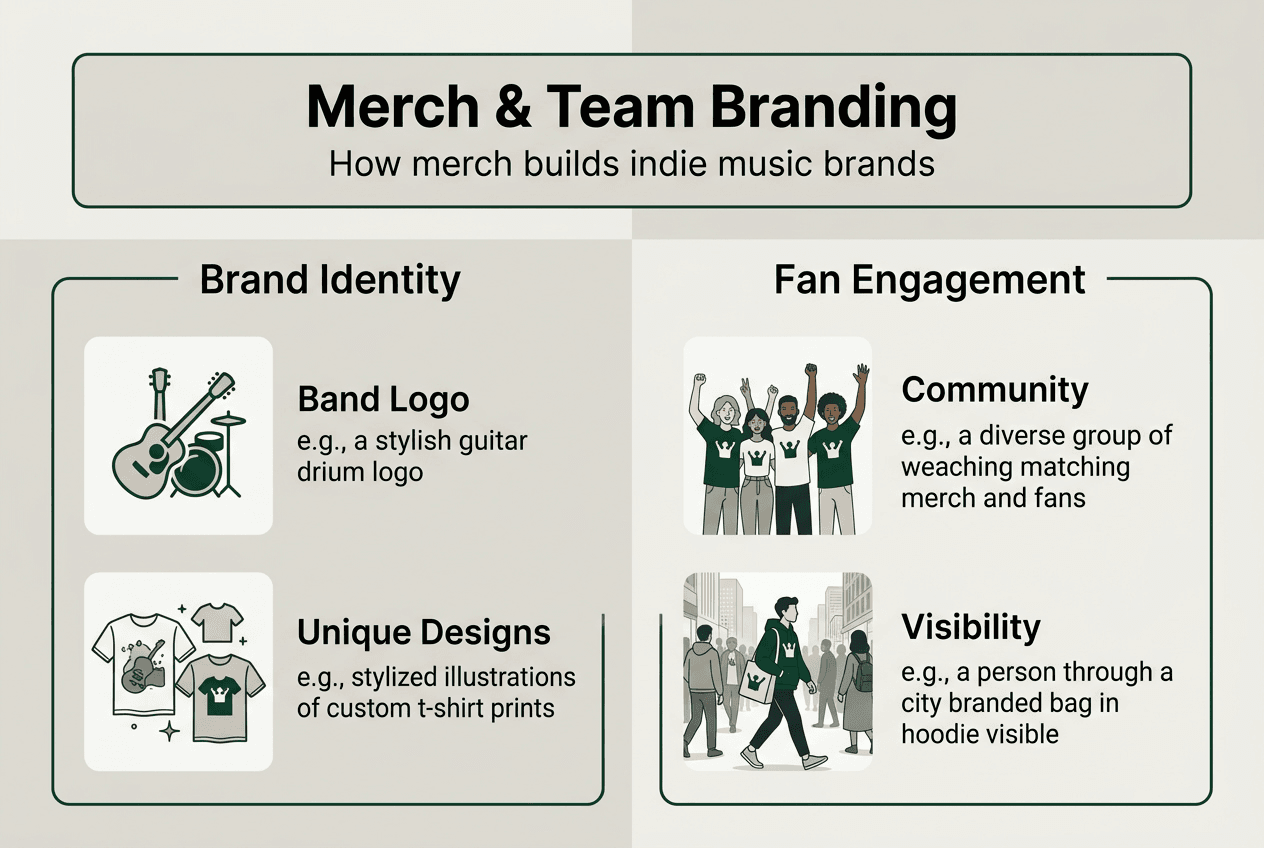
Direct-to-consumer merch sales strengthen relationships by eliminating intermediaries between you and supporters. Controlling the entire experience from design to delivery allows you to maintain brand consistency, gather customer data, and respond quickly to feedback. This direct connection builds loyalty that sustains careers through industry changes and platform shifts.
Optimising your online presence dramatically impacts sales performance. Integrating e-commerce with marketing automation can double revenue by personalising customer journeys and recovering abandoned carts. Mobile optimisation proves essential since most fans browse and purchase via smartphones. Slow loading times or clunky checkout processes directly reduce conversion rates and revenue.
Strategies for boosting fan engagement through merch:
- Create limited edition drops tied to album releases or tour dates
- Offer personalised products like signed prints or custom bundles
- Design tour-specific items that commemorate shared experiences
- Develop exclusive merch for email subscribers or top supporters
- Bundle digital content with physical products for added value
- Use packaging as another branding touchpoint with custom inserts
These tactics generate urgency and exclusivity that drive immediate action. Fans fear missing out on limited items, transforming casual interest into committed purchases. Tour-specific designs become treasured mementos that fans proudly display for years, continuously reinforcing your brand.
“Every person wearing your merch generates hundreds of impressions monthly. That organic visibility builds credibility and attracts new fans more effectively than any advertising budget could achieve, because recommendations from real people carry infinitely more weight than paid promotions.”
Understanding what online merch stores offer helps you leverage platforms effectively. Modern stores integrate inventory management, customer relationship tools, and analytics that reveal which products resonate and which marketing channels drive sales. This data informs future creative and business decisions, creating continuous improvement cycles.
Merch also serves as conversation starters that expand your network organically. When strangers ask fans about their t-shirt or hoodie, it creates opportunities to share your music with new audiences. These authentic recommendations convert at higher rates than algorithmic suggestions because they come with personal endorsements from trusted sources.
Discover custom merch solutions tailored for musicians
Transforming your brand vision into physical products requires partners who understand independent musicians’ unique needs. Quality merchandise reflects your artistic standards whilst fitting realistic budgets and timelines. Whether you need small batch runs to test designs or larger volumes for tour inventory, flexible production options ensure you maintain creative control without financial overextension.
The Output Premium Logo T-Shirt delivers exceptional quality that fans notice immediately. Premium fabrics withstand repeated washing whilst maintaining vibrant prints, ensuring your brand looks sharp long after purchase. Comfortable materials encourage regular wear, maximising visibility and brand impressions. For heavier weight options, the B&C E220 Heavyweight T-Shirt provides durability that appeals to fans seeking substantial garments.
The Inner Sanctum Group handles design preparation, printing, fulfilment, and shipping, allowing you to focus on creating music whilst your merch business runs smoothly. Expert support ensures your artwork translates perfectly to products, avoiding common pitfalls that compromise visual impact. This end-to-end service eliminates the complexity of managing multiple suppliers and logistics partners.
Pro Tip: Choose premium fabrics and printing services that maintain quality through repeated wear and washing, because excellent product experiences turn first-time buyers into repeat customers who enthusiastically recommend your merch to fellow fans.
FAQ
How does merchandise enhance a musician’s brand?
Merchandise provides a physical, wearable way to express your artistic style and values, making your brand visible beyond digital platforms. It creates walking advertisements that extend your reach organically when fans wear your designs at gigs, festivals, and everyday settings. This tangible connection deepens emotional bonds between artists and supporters, transforming casual listeners into committed advocates who actively participate in spreading your message.
What production method is best for small merch runs?
Direct-to-film transfers work brilliantly for runs between 25 and 100 items due to lower setup costs and faster turnaround times compared to traditional screen printing. Print-on-demand services eliminate inventory risk entirely by producing items only after customers order, making them ideal for musicians testing new designs or managing unpredictable demand. Both methods allow creative experimentation without massive upfront investment.
How can I calculate if my merch will be profitable?
Add all costs including production, design fees, payment processing, shipping materials, and platform commissions to determine total expenses per unit. Divide your fixed costs by the difference between retail price and variable cost per unit to find break-even sales volume. Selling beyond this threshold generates profit, whilst falling short means losing money regardless of revenue. Meticulous tracking ensures pricing strategies actually deliver the margins you expect.
How can I use merch to boost fan engagement?
Offer limited edition drops tied to album releases or tour dates to create urgency and exclusivity that drive immediate purchases. Develop tour-specific designs that commemorate shared experiences, transforming merch into treasured mementos fans proudly display for years. Personalised products like signed prints or custom bundles make supporters feel valued individually, strengthening loyalty and encouraging word-of-mouth recommendations that expand your audience organically.